

Evidence-based research on Nova Scotia’s subsurface energy potential
The Program
The Government of Nova Scotia has engaged Dalhousie University to oversee the Subsurface Energy Research and Development Investment Program. Dalhousie’s involvement will help in understanding the potential for natural gas production in Nova Scotia and community readiness.
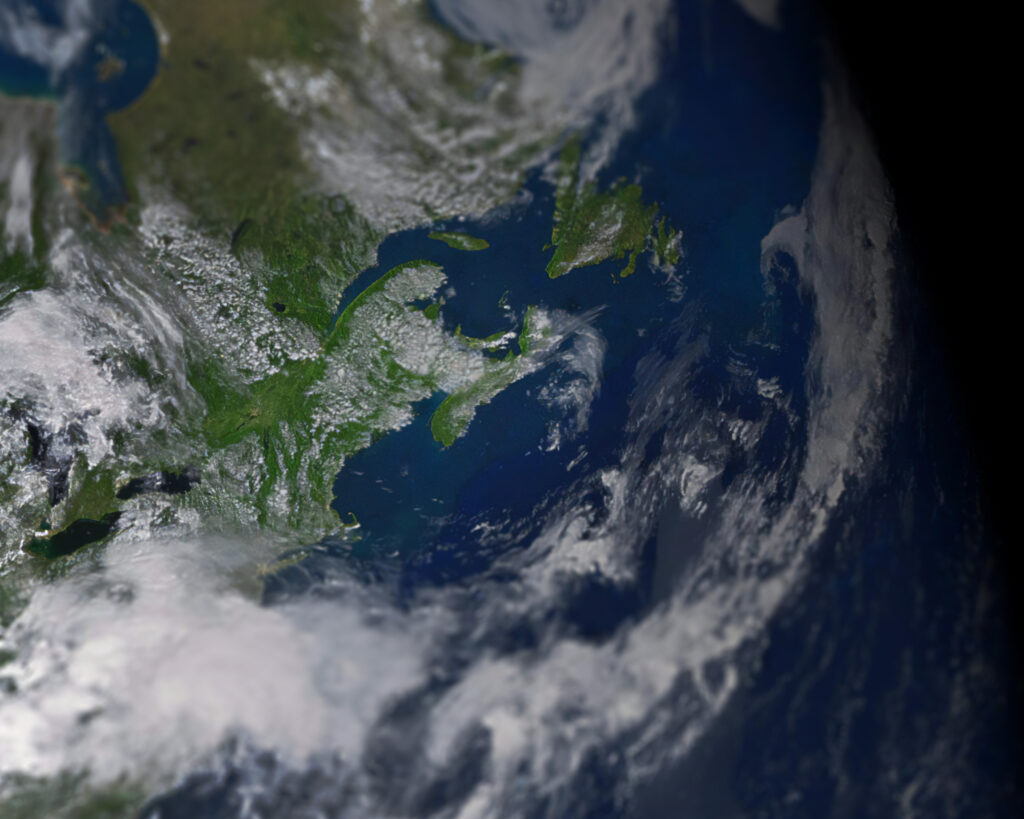

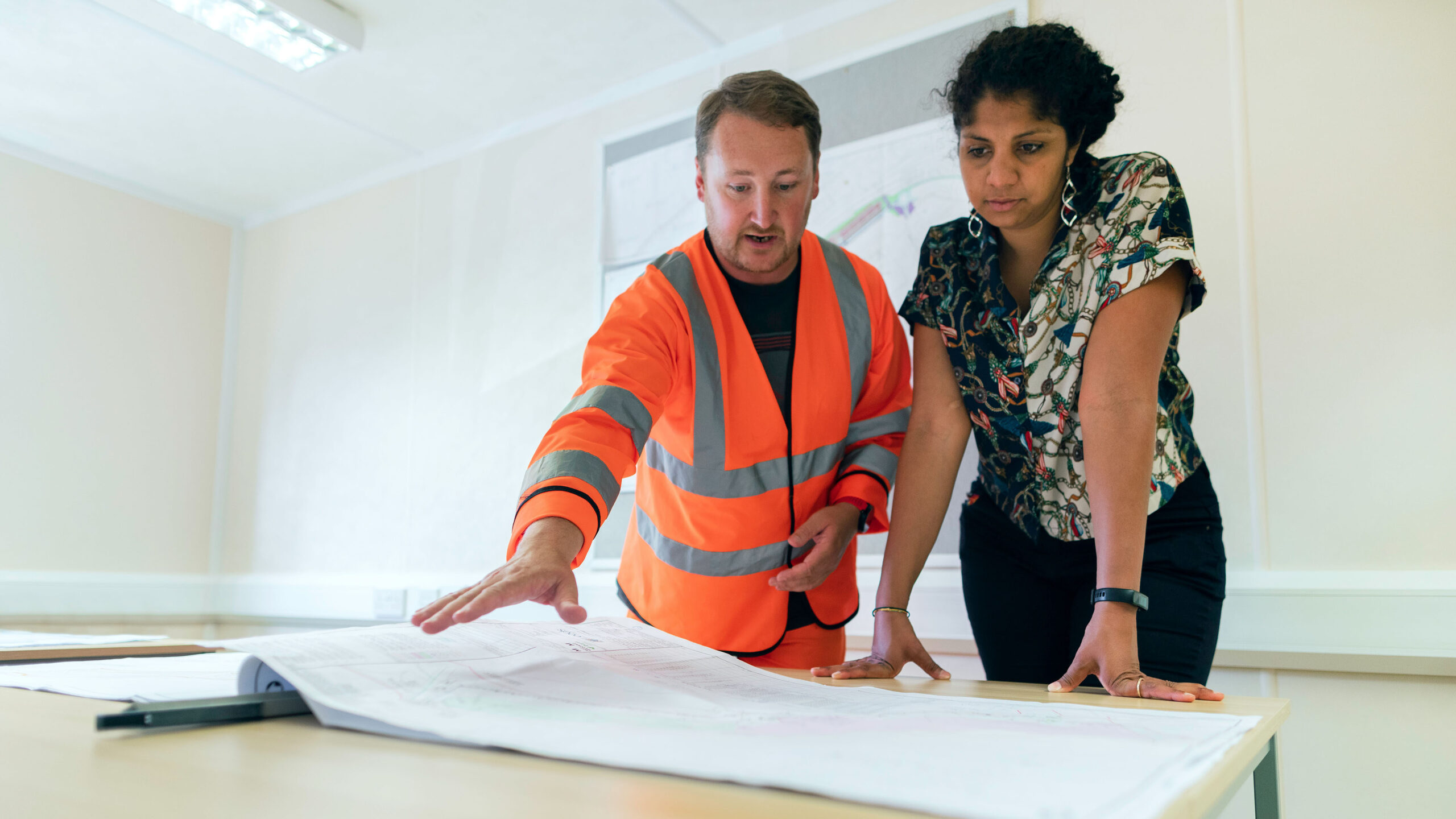
Call for Participation
Dalhousie University invites industry participants (“Proponents”) to join a collaborative research and development program focused on Nova Scotia’s onshore energy resources. Proponents will contribute scientific and operational data to support geological modelling, technology evaluation, and environmental assessment. Key activities include exploratory drilling, flow testing, and production analysis.
Public Engagement
In April, Dalhousie and provincial representatives from the Department of Energy hosted three in-person open houses in Windsor, Amherst, and New Glasgow (Pictou County), with more than 500 people attending. Information boards provided further details on the program and experts were available to answer questions.


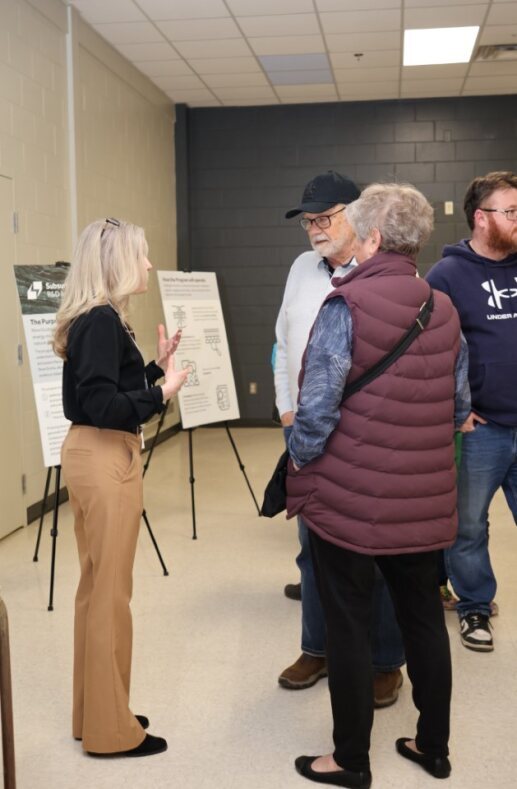

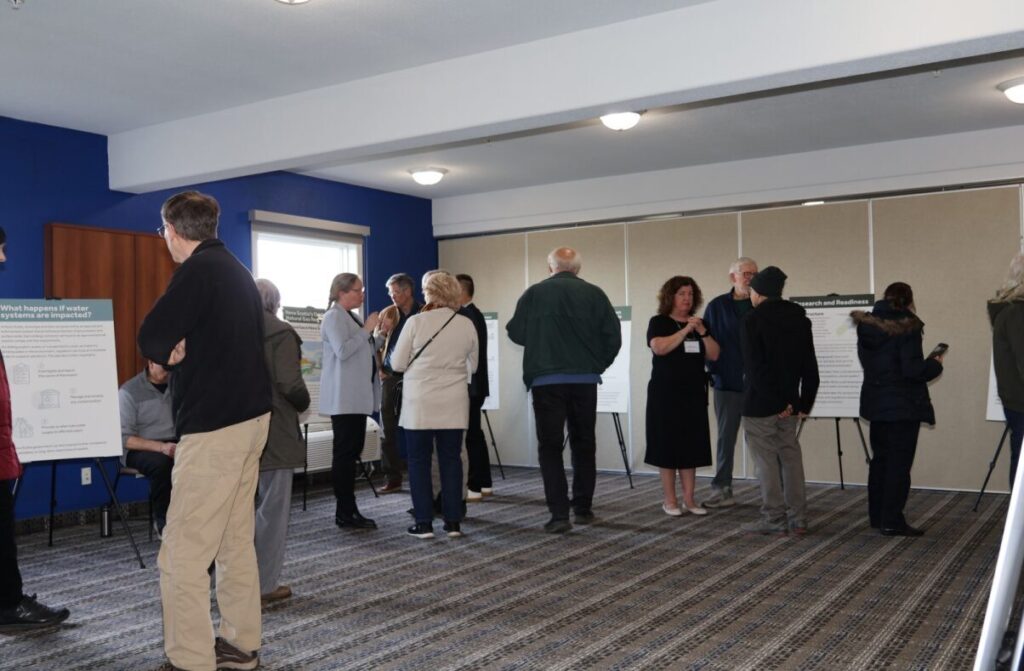
A province-wide virtual open house was also held on Microsoft Teams, with over 160 participants. This session included experts highlighting some of the information available on the engagement boards and answering a wide range of questions from participants. You can watch the recording here:
In addition to public engagement, Dalhousie and provincial representatives hosted a stakeholder meeting with Environmental Non-Governmental Organizations and a meeting with business organizations answering questions and providing an opportunity for one-on-one discussions.
Dalhousie and Deptpartment of Energy staff also delivered a presentation to the Environment and Climate Change Minister’s Round Table on Environment and Sustainability.
Online Engagement
Review the engagement materials here and provide your input online.
Additional engagements are planned with Mi’kmaw and Indigenous communities in Nova Scotia, coordinated through Dalhousie’s Office of the Vice Provost Indigenous and Mi’kmaw leadership.
Facts and Figures
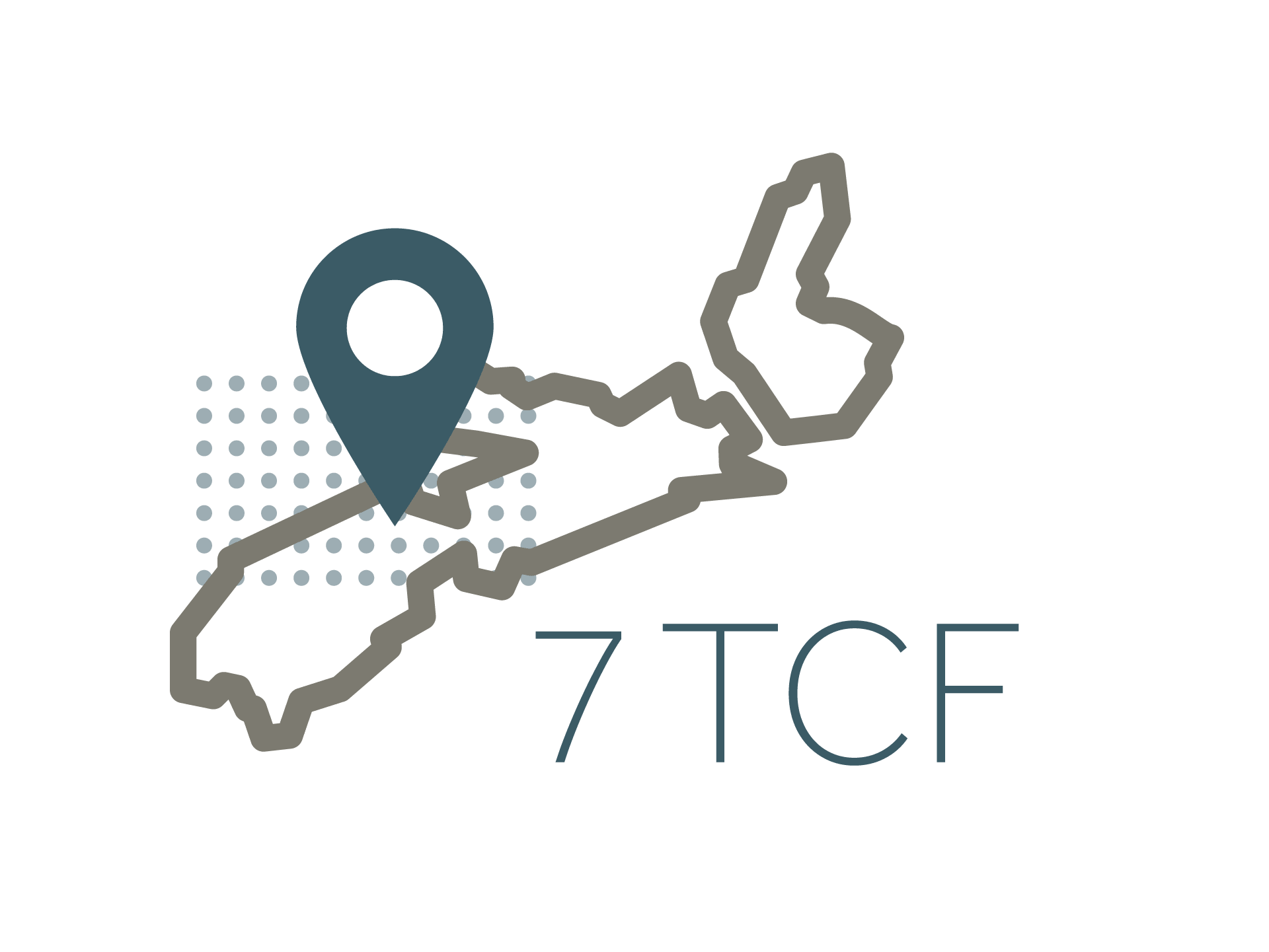
Within all formations in the Cumberland and Windsor basins in Nova Scotia, there is up to 7 TCF of natural gas that could be produced. 1
- This natural gas is located between about 1-2km below the surface
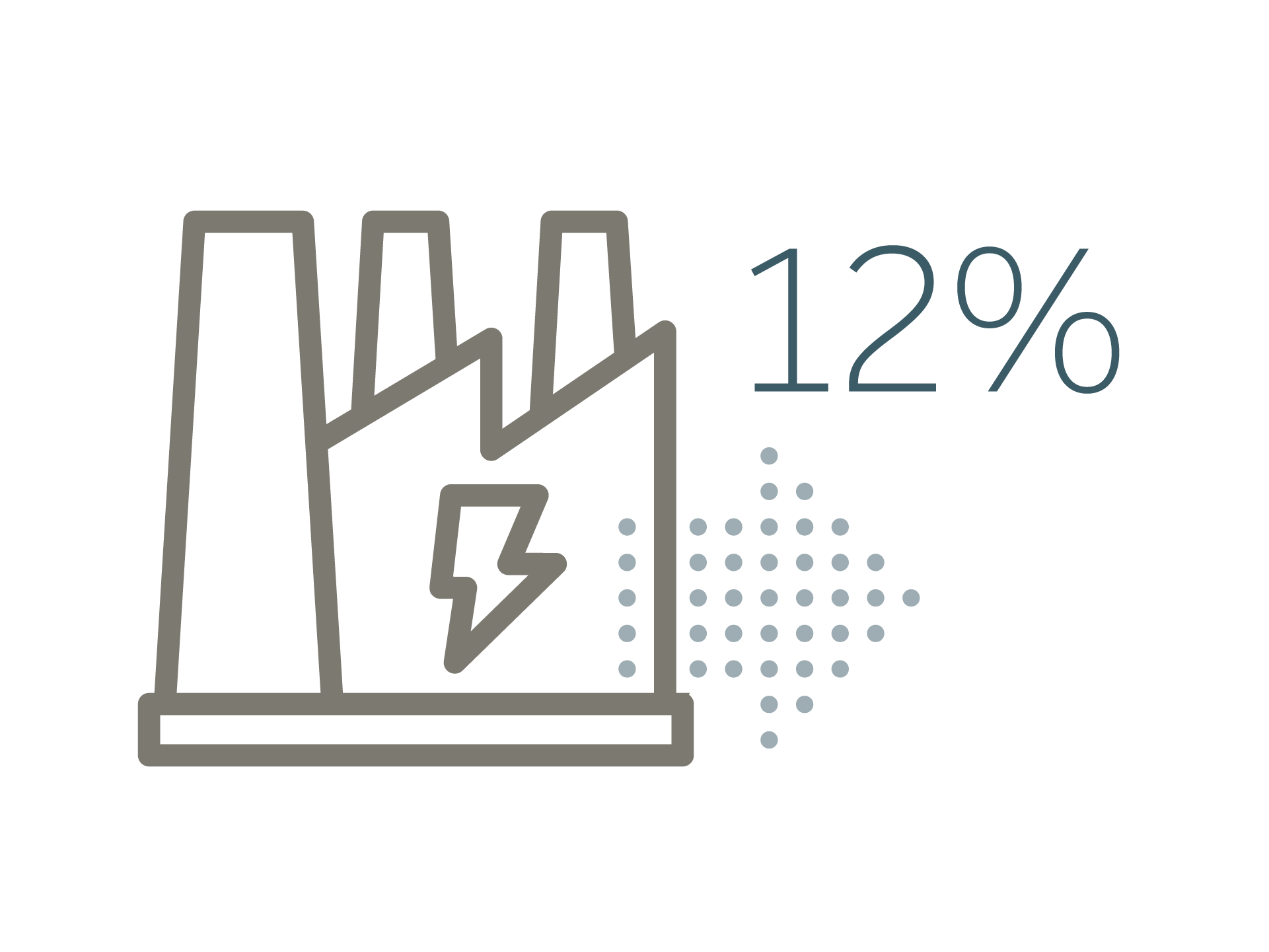
In Q3 of 2025, 12% of the energy used in Nova Scotia came from Natural Gas, 2% came from oil and 36% came from coal/petcoke. 2
- NS relies on natural gas imported from the United States, with some sourced indirectly from western Canada through the United States. 3
- According to Nova Scotia Power, most of the coal used is sourced from international markets.
Nova Scotia Power has produced about 8.5-11 TWh of electricity per year. 4
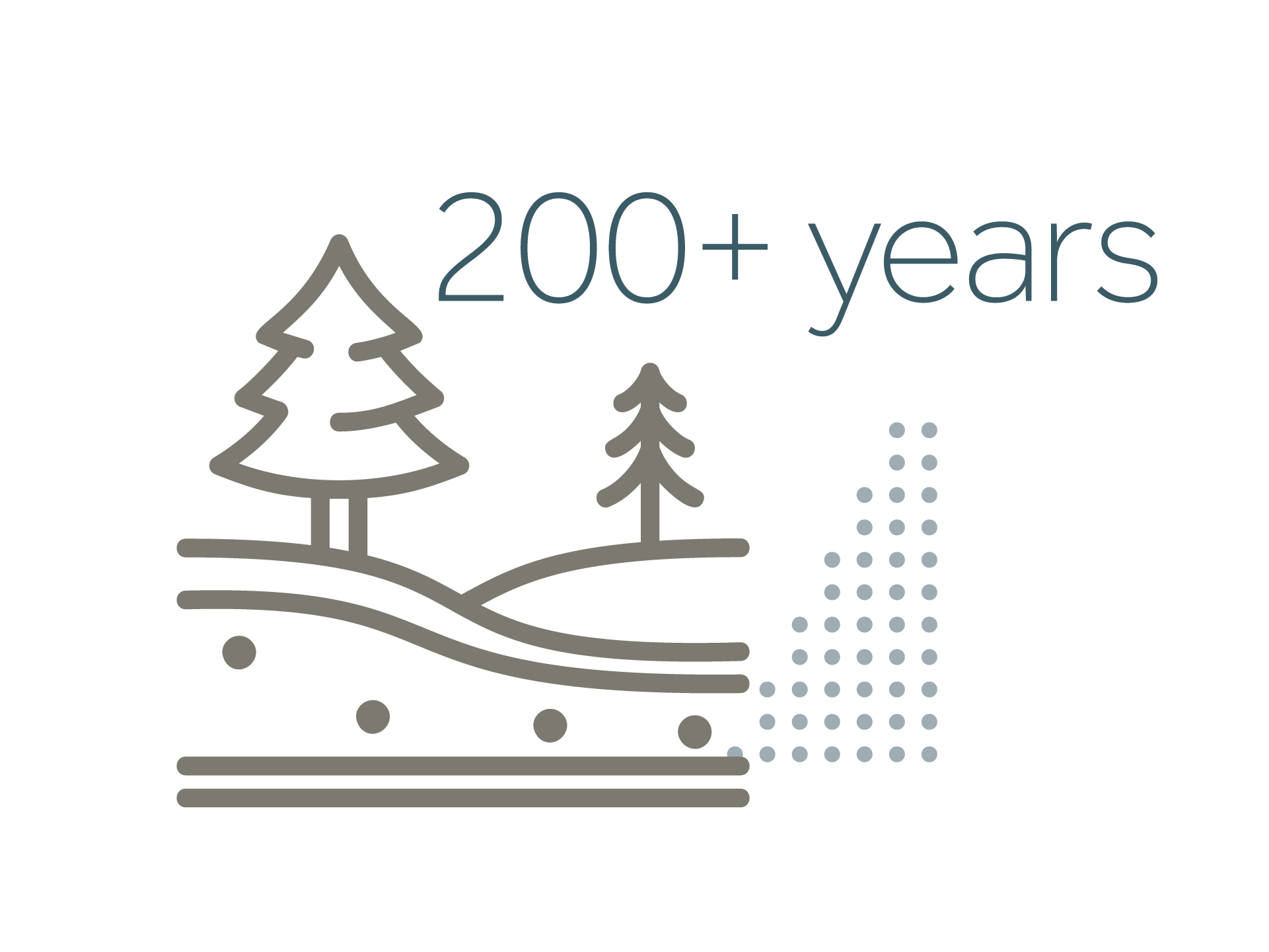
Based on this, the estimated natural gas in the Cumberland and Windsor basins could meet the province’s entire (100%) energy needs for 200-240 years.
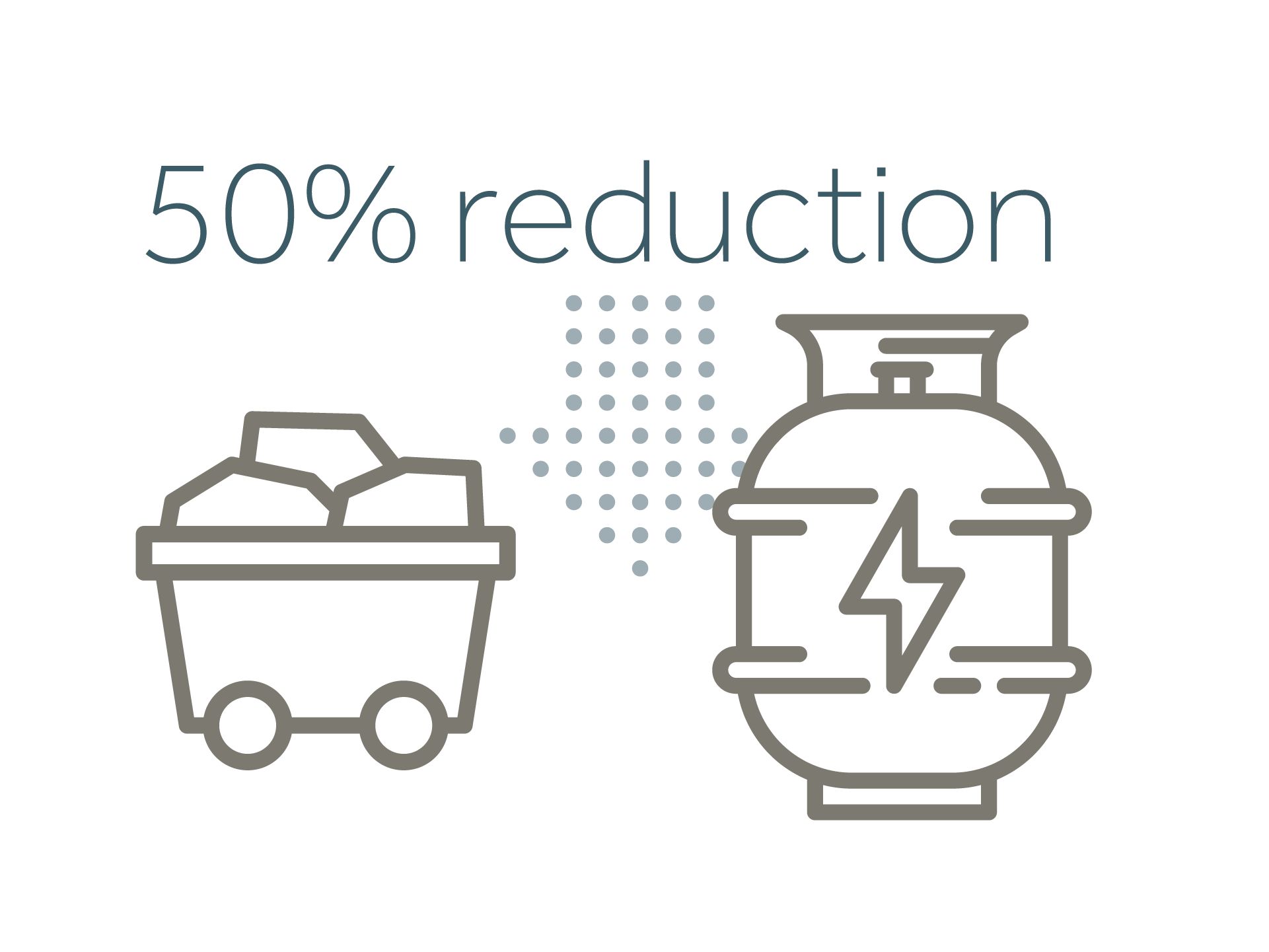
Taking into account both CO2 and methane emissions, on average, switching from coal to gas reduces emissions by 50% when producing electricity. 5
What is hydraulic fracturing?
Natural gas doesn’t always move easily through tight rock such as shale, so operators sometimes create small pathways to help it flow into a well. This is done by pumping a mixture of water, sand, and a small amount of additives into the well at high pressure. The pressure opens tiny cracks in the rock, and the sand stays behind to hold those cracks open once pumping stops, allowing the gas to move more freely to the surface. The hydraulic fracturing process on a well typically lasts from one to three days. The entire process for both preparation and testing after hydraulic fracturing can last several weeks. 6
Looking for more information about Onshore Natural Gas and hydraulic fracturing?
Governance
Oversight Committee
This committee will advise and report on the planning and coordination among all projects undertaken under the Program, with a specific emphasis on how those projects may impact different stakeholder groups including the First Nations and other communities that may be directly impacted.
Graham Gagnon, PhD, P.Eng., is the Vice President of Research & Innovation at Dalhousie University. A distinguished environmental engineer and dedicated member of the Dalhousie community, Dr. Gagnon has been an active leader at the university for over 25 years, holding key roles including Dean of Architecture and Planning and Associate Vice-President Research. As Director of the Centre for Water Resources Studies, he leads groundbreaking research in water quality and treatment and supports industrial and community partnerships that have improved water security in Atlantic Canada and beyond. Among key successes has been his role supporting the formation of the Atlantic First Nations Water Authority, Canada’s first Indigenous-led water utility.
Dr. Gagnon has been both a Canada Research Chair and Natural Sciences and Engineering Research Council (NSERC) Industrial Research Chair, underscoring his leadership in applied research. His significant contributions to engineering were recognized in 2024 with his induction as a Fellow of the Canadian Academy of Engineering. In 2024, he was also named a member of the Canadian Infrastructure Council, an 11-person team of experts tasked by the Government of Canada to support long-term core infrastructure planning and decision-making.
With a commitment to advancing equity in Dalhousie’s research and innovation ecosystem, Dr. Gagnon is focused on expanding research opportunities, strengthen community and industry partnerships, and ensuring that Dalhousie innovation delivers meaningful benefits to Nova Scotia, Canada and beyond.
John R. Sylliboy John R. is L’nu from the Millbrook Mi’kmaw Community in Nova Scotia. He is the Vice-Provost, Indigenous Relations at Dalhousie University. John’s role is to enhance Dalhousie’s Indigenous community partnerships, develop pathways into meaningful learning opportunities on campus, and expand on the work that Indigenous programming provides to benefit students, faculty, and staff for learning, teaching, and research.
John collaborates on various regional and national research at the IWK Health Centre with the Aboriginal Children’s Hurt and Healing Initiative. He is a co-recipient of a Focused Research Investment grant from Research Nova Scotia to explore Indigenous health and healing for L’nu children through Etuaptmumk / Two-Eyed Seeing.
John’s other interests include advocating to build support for Two-Spirit and Indigenous youth health and wellness, language preservation, cultural identity, and Mi’kmaw self-determination and governance.
Dr. Owen Sherwood is an Associate Professor and Director of the Stable Isotope Biogeochemistry Laboratory in the Department of Earth and Environmental Sciences at Dalhousie University. He has over 15 years of industry and academic experience in petroleum geoscience, including exploration, development, production and environmental monitoring in many of the tight oil and gas plays in North America. He has published extensively on issues of wellbore integrity, groundwater quality, and greenhouse gas emissions in relation to unconventional oil and gas development.
Kimberly Doane is currently the Executive Director, Energy Resource Development with the Nova Scotia Department of Energy. She is responsible for providing strategic policy advice to the government regarding energy development, research, and the technical promotion of Nova Scotia’s potential to investors. Her responsibilities are focused on energy opportunities such as offshore and onshore oil & gas, offshore wind, geothermal, energy storage, tidal and emerging energy innovation.
Kim holds a Master of Business Administration (Global Leadership), a Bachelor of Science Degree (Geology) and a Bachelor of Arts Degree (Geography). Kim has worked for the Provincial government for over 27 years in a range of responsibilities. Prior to starting with the province, she worked in Calgary in private industry in petroleum exploration and environmental reclamation.
Kim also sits on a number of Board’s and is active on a variety of committees both locally and internationally.
Kim and her husband reside in Halifax, and they have one daughter Alexandra, who is currently an articling student for Bennett Jones LLP in Vancouver.
Jennifer Matthews is the Manager, Regulatory Affairs for Atlantic Canada with the Canadian Association of Petroleum Producers (CAPP). Jennifer is currently involved in a number of offshore health, safety and environmental programs specific to Atlantic Canada’s offshore oil and gas industry.
Prior to joining CAPP, Jennifer was the Director of Operations and Research for the Fundy Ocean Research Center for Energy (FORCE) and the Research Manager for Nova Scotia’s offshore energy research associations (OEER and OETR), where she managed the $15 million Play Fairway Analysis of Nova Scotia’s offshore petroleum resources, which provided strong evidence of significant oil potential. Jennifer is a graduate of Dalhousie University and lives in Halifax with her husband Jeff and daughters Bailey and Brynn.
Christopher Googoo is a proud member of We’koqma’q First Nation and lives in Millbrook First Nation on the unceded territory of Mi’kma’ki. His work is rooted in a strong commitment to community wellbeing, Indigenous self‑determination, and respectful stewardship of land for future generations.
For over 20 years, Chris has supported Indigenous‑led economic and community development across Atlantic Canada, focusing on strengthening local capacity, supporting entrepreneurs, and advancing initiatives aligned with Indigenous values and priorities. His experience includes working alongside Indigenous communities, philanthropic partners, and researchers to promote inclusive, community‑driven approaches to development and governance.
Chris is a strong advocate for youth and intergenerational learning. He helped establish the Ulnooweg Education Centre to support science‑based programming in forestry, agriculture, and environmental stewardship, and played a leadership role in protecting Asitu’lɨsk, a 200‑acre forest dedicated to cultural revitalization, language, healing, and reconnection to the land.
A graduate of St. Francis Xavier University, Chris brings a community‑centred, values‑based perspective to governance and oversight work.
Craig is a senior people leader and public policy professional with deep connections in Canada’s energy industry. For almost twelve years Craig served as Special Representative in the Alberta Department of Energy, ensuring Alberta’s broad energy ecosystem stayed connected to government officials in Edmonton. In addition to his time in government Craig has held senior roles around operations, communications and public engagement with Enserva, the Calgary Chamber of Commerce, and CAPP.
Julie VanTol, P.Eng. is a Technical Director in the Environmental Consulting field, with two decades of experience in environmental assessment, contaminated site management, and risk-based decision making. She provides senior technical oversight on complex environmental programs, ensuring transparent, science-based approaches that align with regulatory requirements and public interests.
Throughout her career, Julie has built a reputation for delivering clear explanations of technical issues to regulators, community members, and decisionmakers. She is dedicated to environmental stewardship, public safety, and collaborative problem solving, and consistently works to deliver high quality, sustainable environmental outcomes across diverse projects.
Erin Stewart-Reid is a senior university administrator and communications leader with extensive experience in institutional strategy, governance, and organizational change. She provides strategic leadership for the university’s communications function, with responsibility for institution-wide communications strategy, advising senior leaders and colleagues, and leading major initiatives focused on organizational alignment, stakeholder trust, and public accountability.
Erin holds a Bachelor of Arts in English and History from the University of King’s College and a Bachelor of Public Relations from Mount Saint Vincent University.
Laura Hynes Jenkins is the Assistant Vice President of Government Relations at Dalhousie University, where she leads the institution’s strategic engagement with municipal, provincial, and federal governments and provides senior-level advice on public policy, issue management, and institutional priorities. Her portfolio includes oversight of Dalhousie’s government relations strategy and institutional community engagement, supporting alignment between the University’s academic mission, public impact, and the priorities of governments and communities.
Laura is a double Dalhousie alum, holding a Bachelor of Arts in history and Spanish and a Master of Arts in history.
Adam MacDonald, Department of Energy Representative
David Risk holds the Brian Mulroney Institute of Government Research Chair in Climate Science and Policy at St. Francis Xavier University, and the Director of the FluxLab, one of Canada’s leading centers for methane measurement science. Over the past two decades, his research has advanced the development and validation of methane detection and quantification technologies across the energy and waste sectors. A defining feature of his recent work is the use of large-scale controlled-release facilities to rigorously test ground-based, airborne, and satellite observing systems. His research directly informs regulatory frameworks, emissions inventories, and international methane mitigation efforts.
Michelle Martin, P. Geo, PMP, is an energy professional with more than 20 years of experience across offshore oil and gas, emissions-reduction innovation, and renewable energy development. She has held leadership roles with ABO Energy Canada, The Net Zero Project, and Suncor Energy, leading technical teams and advancing complex energy initiatives. A licensed Professional Geoscientist and Project Management Professional, she is known for her collaborative leadership style and ability to bring together industry, government, and community partners to support responsible energy development and innovation. Michelle is a graduate of Memorial University of NL with a Masters of Science in Earth Sciences. She is also a member of the Board of Directors of Professional Engineers and Geoscientists of NL and is a member of the Greenhouse Gas Emissions Reduction Fund Advisory Board with the Government of NL.
Technical Oversight Committee
This committee will advise Dalhousie on the technical requirement for proposals to be submitted to the Program, including pre-qualifications of proponents. This committee will also provide advice, as required, on the review of the proposals received with respect to the Program.
Michelle Martin, P.Geo., PMP., Independent Consultant
Program Manager (Chair)
Karl Caldwell, P.Eng, Operations Engineer
Department of Energy Representative
Fraser Keppie, Manager, Resource Evaluation and Innovation Division
Department of Energy Representative
Phil Knoll, (formerly Board of Directors, AltaGas, Eastward Energy)
Industry Representative
Wayne Hiller, Modern West Advisory
Industry Representative
Edwin Macdonald, P.Geo
Industry Representative
Tracy Mossman, P.Eng., Drilling Engineering Advisor, Staysail Consulting Solutions Inc.
Independent Consultant
Recent News
-
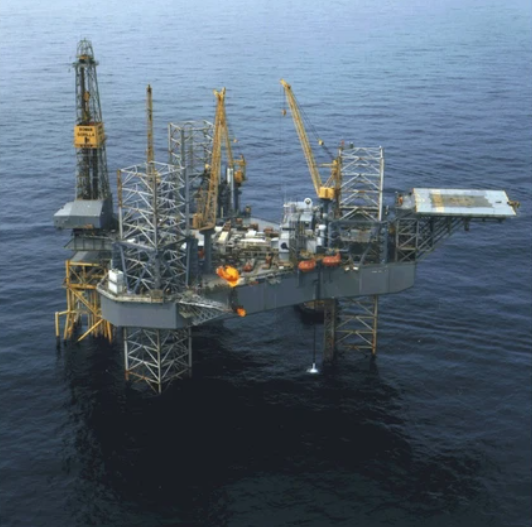
Houston government’s Nova Scotian energy ambitions gain support from petroleum sector
Nova Scotia Premier Tim Houston has made it clear that… Read more
-
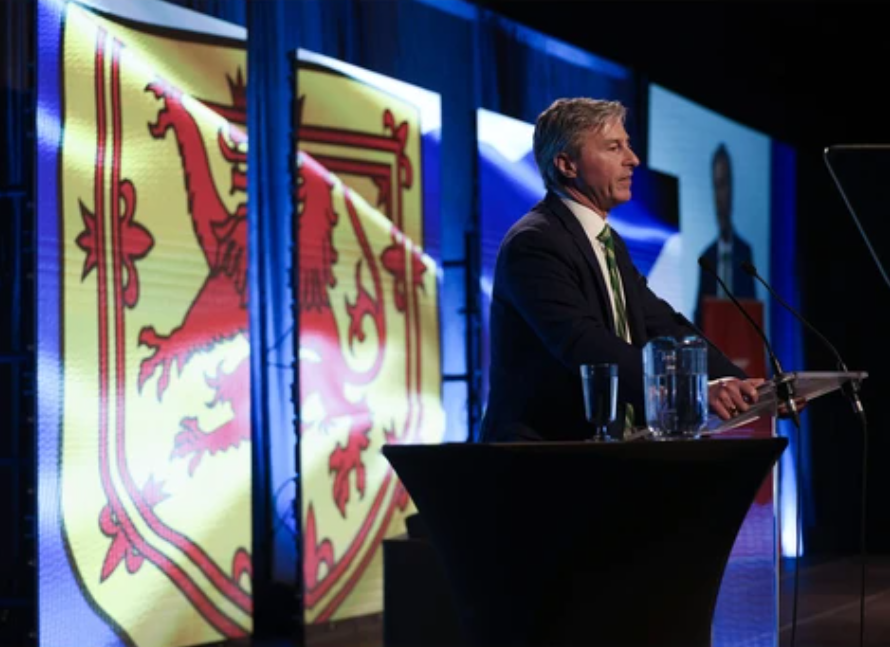
Nova Scotia expands push for onshore natural gas exploration
Houston says the province ‘can’t leave this opportunity on the… Read more
-
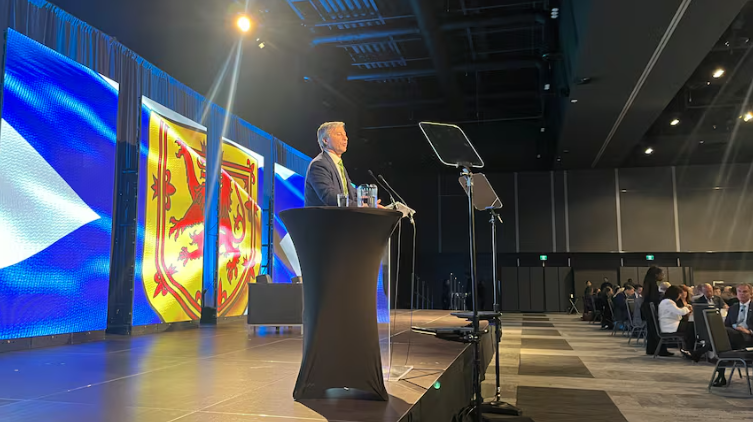
Premier says Nova Scotia preparing to negotiate with one exploratory fracking bidder
Dalhousie University announces second call for interest in onshore gas… Read more
Frequently Asked Questions
Dalhousie is the largest research institution in Atlantic Canada, and one of the largest organizations in Nova Scotia, it has both the administrative capacity and the research expertise to undertake the project in a timely manner.
The Province of Nova Scotia required external support for this work, and they asked Dalhousie to help.
As a research university, Dalhousie values opportunities to advance knowledge with partners and to have research inform public policy and support decision making. As Nova Scotia’s flagship university, Dalhousie is committed to serving the people of this province.
Dalhousie has been asked to administer $30M from the Province to:
Administer the research and engagement initiatives ($5.7M) including undertaking research to determine baseline infrastructure, environmental, etc. data; providing expert opinion on exploration and research findings in a report to the Province; and engaging with communities/public as needed in respect of the project.
- Administer a $24.3M reimbursement program for participating firms.
- Administer the research and engagement initiatives ($5.7M) including undertaking research to determine baseline infrastructure, environmental, etc. data; providing expert opinion on exploration and research findings in a report to the Province; and engaging with communities/public as needed in respect of the project.
The budget for this program is $30,000,000, which the university will use to administer the program and all operations. The university is not being paid.
Dalhousie’s Vice President Research and Innovation (VPRI) has accountability for the delivery of this project and will be supported by a Project Manager and advised by an Oversight Committee, a Management Committee, and Technical Advisory Committee.
The Subsurface Energy Research and Development Investment Program is focused on improving understanding of Nova Scotia’s subsurface resources and establishing credible scientific and environmental information. Dalhousie University’s role is to administer the program, support independent research and facilitate public and community engagement. The research being undertaken is intended to inform policy discussions by providing evidence and analysis.
Decisions about regulations developed under the Subsurface Energy Resource Extraction Act remain within the government’s established legislative and regulatory processes.
Dalhousie recognizes that questions related to subsurface energy development, including hydraulic fracturing, are of significant public interest.
Dalhousie’s role is not to advocate for a particular policy outcome, but to contribute research capacity and expertise that can help inform future decisions.
Dalhousie will oversee public and stakeholder engagement with particular focus on research and the exploratory drilling program, including through its relationships with First Nations.
John R. Syllaboy, Vice-Provost, Indigenous Relations at Dalhousie University is on the Oversight Committee and John will be connecting with Chiefs and elders and connecting with community to ensure that there is an awareness and a dialogue associated with this project.
Dalhousie University’s role is to administer the program, support independent research, and facilitate public and community engagement. The research being undertaken is intended to inform policy discussions by providing evidence and analysis.
Dalhousie and other Nova Scotia university researchers will establish key environmental, geological, and infrastructure baselines to inform evidence-based decisions about future development. This includes drilling analysis, groundwater and methane monitoring, seismic conditions, and transport infrastructure needs.
Researchers will assess the findings of exploratory drilling and community readiness research and provide expert opinion in the form of a Report, submitted to the Province by December 31, 2026. Ownership of the report and its contents rests with the Province.
This is a very public project which to date has been very transparent. The program agreement between the Province of NS and Dalhousie University was made public along with the call for participation, program and research details and the program schedule. Following the exploratory drilling, research and public and stakeholder engagement, a Final Report will be produced by Dalhousie and provided to the Province. The report will provide expert opinion based on exploratory drilling findings and community engagement results.
The agreement between Dalhousie University and the Province of Nova Scotia includes a standard confidentiality clause that is commonly used when sensitive information is shared between parties. Its purpose is to ensure information is handled responsibly and not retained longer than necessary.
Dalhousie will provide the Final Report to the Province. The Province will determine next steps.
Yes. Once drilling sites are identified, there will be additional opportunities for dialogue and engagement as part of the regulatory approval process through the Nova Scotia Department of Environment and Climate Change.
No person or company is allowed to enter onto any land in Nova Scotia to explore for or produce petroleum without explicit permission of the landowner. This is detailed in the Petroleum Resources Act and duplicated in the new Subsurface Energy Resource Extraction Act which will come into force at a later date.
It is up to the company to negotiate land access agreements with landowners, and proof must be given to the Province as part of any activity authorization application.
This report examined environmental and health risks, especially related to hydraulic fracturing, but it was written when the science and technology were still developing. Things have come a long way since then.
Dalhousie will oversee public and stakeholder engagement with particular focus on research and the exploratory drilling program, see engagement section for more information.
The Subsurface R&D Investment Program is an incentive program. We don’t have the equipment or the trained professionals here in Nova Scotia today. The intent is to help incent this industry to start looking at Nova Scotia again and see if it is viable by offsetting some very specific costs. Industry will also need to invest their own dollars.
From a research standpoint, the data that will come from the exploratory drilling is fundamental.
The ability to answer questions related to Nova Scotia’s geology and whether it is conductive to natural gas, that requires equipment and trained professionals drilling here in Nova Scotia.
Operators are required to hold a minimum of $10 million in insurance coverage, and must provide the province with sufficient financial security prior to drilling to ensure wells can be decommissioned and abandoned if the company becomes insolvent.
The location of the water source is typically close to where the activity occurs. Based on the Nova Scotia Department of Energy evaluations, the Cumberland and Windsor basins are most likely to see activity. Drilling in those areas would require water from within or near identified drilling locations in those areas.
The first step for projects will be to drill new exploration wells. While stimulation activities like hydraulic fracturing are eligible under the program, those techniques are not part of the drilling exploration wells and any applications to do this would come later in the process. Any activity conducted as part of the program would be related to this exploratory phase. The findings would be intended to inform any potential future production phases.
Hydraulic fracturing is the conventional approach used today. Approximately 99% of wells drilled in North America are stimulated.
Water use per well can vary widely, ranging from 2,000 cubic metres (less than one Olympic swimming pool of water) to as high as 75,000 cubic metres (about 30 Olympic swimming pools of water) in exceptional cases.
Most often fresh water is used.
Fresh water is extensively used in Nova Scotia for potable household water, farming and industrial processes.
In rural Nova Scotia, most of the domestic fresh water is accessed through onsite well systems that tap into the natural water table or springs. Towns and villages may have water treatment and management systems with piped infrastructure sourced from lakes, rivers or aqueducts.
Industrial uses are mostly sourced from lakes and rivers with government oversight ensuring sustainability and post-use treatment.
Natural gas does not always move easily through tight rock such as shale, so modern production creates small pathways to help the gas flow into a well.
1. Water, along with smaller amounts of sand and additives, is pumped into the well at high pressure.
2. The water pressure opens narrow cracks in the rock or shale, and sand particles are driven into the cracks.
3. Once pumping stops, some of the water flows back up the wellbore to the surface where it is recovered. The sand remaining in the narrow cracks keeps them propped open, allowing gas to move more freely to the surface.
A well is typically only fractured once and will produce for 20-30 years without additional water requirements.
Hydraulic fracturing in Canada uses a significant amount of water. There is no national dataset, but the clearest picture comes from provinces like Alberta and British Columbia.
In Alberta, a total of about 30 million cubic metres of water is used annually for fracturing, and in British Columbia (BC) the figure sits at about 7.5 million cubic metres.
Given the smaller size of Nova Scotia’s natural gas formations, it is expected that significantly less water would be used here than in either BC or Alberta.
The industry overall has moved toward using less freshwater by implementing systems that use recycled water and brackish water sources.
Data from the Alberta Energy Regulator shows that water allocation from hydraulic fracturing is less than one percent of the total amount of water allocated each year to all sectors. Agriculture, by way of comparison, uses 46% of allocated water.
In Nova Scotia, many industries use significant volumes of surface water, including thermal power generation and pulp and paper plants. These sectors individually can draw more surface water annually than is used in the entirety of all hydraulic fracturing events in Alberta and British Columbia.
Hydraulic fracturing in Canada is regulated provincially, but across the country the approach is similar. Canadian provinces don’t manage hydraulic fracturing water impacts through a single approach. Instead, they combine strict water controls, monitoring, and operational requirements to reduce risks to both groundwater and surface water.
The overall philosophy is to limit withdrawals, protect groundwater aquifers, and track everything.
- The amount of water that can be withdrawn is dependent on the amount of water available in a jurisdiction – especially during low-flow or drought conditions.
- Wells are built with multiple layers of steel casing and cement to keep fracturing fluids and natural gas well away from drinking water aquifers.
- Storage tanks and containment systems are used to safely manage fluids on site. Closed-loop fluid systems may also be used.
- Provinces require baseline testing and ongoing monitoring of groundwater and surface water so any changes can be detected and investigated.
- Wastewater from fracturing is tightly managed, and increasingly recycled and reused to reduce the need for new freshwater.
The result is not zero impact, but a system designed to reduce risk, protect drinking water and manage water use responsibly, with effectiveness varying by province depending on the infrastructure and regulatory focus.
In Nova Scotia, oil and gas activities are governed by an approval and enforcement system that prioritizes protection of groundwater and surface water. Each drilling contractor will have to be approved and will need to comply with the requirements.
If a drilling project causes, or is suspected to cause, an impact to drinking water or the environment, regulators can issue an immediate order to suspend operations.
The operator is then required to:
1. Investigate and report the cause of the impact
2. Manage and remedy any contamination
3. Provide an alternate water supply to affected users
The Nova Scotia government can also impose further compliance orders, penalties, or long-term restrictions if needed.
All of the natural gas we use in Nova Scotia today comes from somewhere else – primarily the US Northeast and Western Canada. This gas is moved across long distances through a network of natural gas pipelines. This transmission is expensive, and adds to the money Nova Scotians are sending out of province for their energy needs. By responsibly producing our own resource, gas users in Nova Scotia will not have to pay the same transportation costs, reducing the delivered price of gas.
For comparison, Nova Scotians pay in the range of $15 a unit for natural gas (that comes from the US and Alberta), whereas Albertans pay in the range of $2 a unit.
Natural gas is already a significant fuel source in the Nova Scotia energy mix. Nova Scotia’s natural gas distributor – Eastward Energy serves 5,000 residential and 3,500 commercial and institutional customers. One third of homes and 44% of businesses that have access to natural gas use it.
Nova Scotia has pipeline infrastructure and a distribution network in place to deliver natural gas to customers. Industries, apartments, schools, hospitals, and homes use natural gas for energy. Nova Scotia Power also uses natural gas to generate electricity.
In 2025, 12% of the electricity in Nova Scotia came from natural gas, all of it imported. Two per cent came from oil and 38% came from coal. The province’s Independent Energy System Operator (IESO Nova Scotia) has proposed two new fast acting natural gas plants to provide electricity when the province is scheduled to stop using coal by 2030.
Nova Scotia cannot flip a switch to zero emissions. Renewables are increasingly used in power systems yet face intermittency, storage, and grid infrastructure limits. Fast acting natural gas generation alleviates the shortcomings and enables more renewables to be used. Natural gas use provides a pathway over time. As the cleanest-burning fossil fuel, natural gas can be a good choice for transitioning to a zero-emission economy.
Enough research has been conducted to demonstrate that onshore natural gas production could yield impressive results. This program will undertake research to update information in four key areas:
- What’s underground: How much natural gas do we have, and can it be extracted safely and economically?
- Environmental risks: How could development affect water, ecosystems, and air quality?
- Community health: What could development mean for people’s health and well-being?
- Infrastructure and rules: Do we have the roads, services, and regulations needed to manage this type of activity?
The Wheeler report examined environmental and health risks, especially related to hydraulic fracturing, but it was written when the science and technology were still developing. The science has developed considerably since then.
So yes, Nova Scotia has looked at these questions before, but the main studies are either limited or out of date.
- The Onshore Petroleum Atlas (2013–2017) This was the first major effort to map where natural gas exists. The current research program builds on this foundational work by applying modern tools and analytical methods.
- The Wheeler Report (2014) This report examined environmental and health risks, especially related to hydraulic fracturing, but it was written when science and technology were still developing.
In the past decade, the environmental and health evidence has evolved substantially:
- Methane (the main component in Natural Gas) emissions are now recognized as a major factor in climate change and air quality decisions.
- Earthquake risks (induced seismicity) are better understood and can now be actively monitored and managed.
- Modern regulations and technologies have advanced in places like British Columbia, offering updated examples of how development can be governed.
Under this Program research projects will be completed to better understand the potential and risks of shale-based natural gas exploration and production in the province.
Research design will:
- Measure conditions before anything happens. We need to understand what things look like today – for water, air, and seismic activity – so any future changes can be properly identified.
- Focus on local conditions. The Alberta or British Columbia experiences are significant, but research must also consider our local geology, ecosystems, and communities.
- Include health and community impacts from the start. Questions about people’s health and well-being should be treated as core considerations, not secondary concerns.
Several research projects are being undertaken that will run in parallel with the industry exploration projects:
Geological Studies: This project analyzes old geological and seismic data using modern tools and integrates any new drilling data as it becomes available.
This research is needed because earlier studies relied on older methods and did not fully test the resource.
Modern Drilling & Hydraulic Fracturing Technology Review: This project will review how drilling and hydraulic fracturing technologies have changed over the past decade and evaluate if these modern practices can be applied in Nova Scotia.
This research is needed because much of the public discussion is based on older technologies that may no longer reflect current practice.
Water Monitoring & Protection: This project monitors current groundwater and surface water conditions before any activity is undertaken. It also studies how wastewater from drilling can best be managed using examples from other jurisdictions.
This research is needed because protecting drinking water, ecosystems, and wetlands is one of the most important concerns for communities.
Community Health & Communication: This project reviews evidence from other regions and works with healthcare providers to understand potential health concerns related to onshore natural gas development, combined with community demographics.
This research is needed because communities need trustworthy, understandable health information to make informed decisions.
Transportation & Infrastructure Readiness: This project studies roads, traffic, and local infrastructure to understand how communities might handle increased activity.
This research is needed to understand whether communities are physically prepared, or what upgrades might be required.
Seismicity (Earthquake) Monitoring: This project installs new sensors to measure natural background seismic activity in Nova Scotia. It helps distinguish between naturally occurring seismic activity and any that could be linked to human activity.
This research is needed so that any future activity can be monitored responsibly and understood in context.
Methane Emissions Measurement & Monitoring: This project measures methane levels across Nova Scotia to understand what is naturally present and what comes from human activity. It also monitors emissions during any exploratory drilling and reviews how methane leakage from oil and gas production is regulated in other regions.
This research is needed because methane has become the dominant environmental and climate concern related to natural gas production.
Geoenvironmental Risk & Knowledge Gaps: This project will conduct a broad survey of the program research to identify remaining gaps in knowledge.
This research is needed to understand the limitations of the program work, and to guide future research.
All research projects are being carried out by experts in the field, primarily at Dalhousie University but also drawing in other experts from Nova Scotia universities, and in some cases private contractors that bring specific skills and experience.
All studies will report primary conclusions to the Province by the end of 2026. Detailed reports will be completed by the end of Q1 2027.
The province will evaluate the information and will be responsible for its dissemination.
The Province of Nova Scotia’s Petroleum Resources Act governs all aspects of exploration, development and production of onshore natural gas, ensuring all activities are conducted in a safe, efficient and orderly manner.
- The Nova Scotia Onshore Petroleum Drilling Regulations establish the permitting, operational, and reporting requirements that operators must follow to drill, complete, suspend, or abandon petroleum wells
- The Nova Scotia Environment Act requires environmental approvals and protection of water and ecosystems
- The Nova Scotia Occupational Health and Safety Act regulates safe working conditions.
To facilitate successful development of onshore gas, Nova Scotia would develop a more modern, comprehensive regulatory framework similar to those in provinces producing onshore natural gas.
The standard approach in North America to extracting natural gas in tight formations is called hydraulic fracturing, a method of using water and pressure to crack underground rock so natural gas can flow.
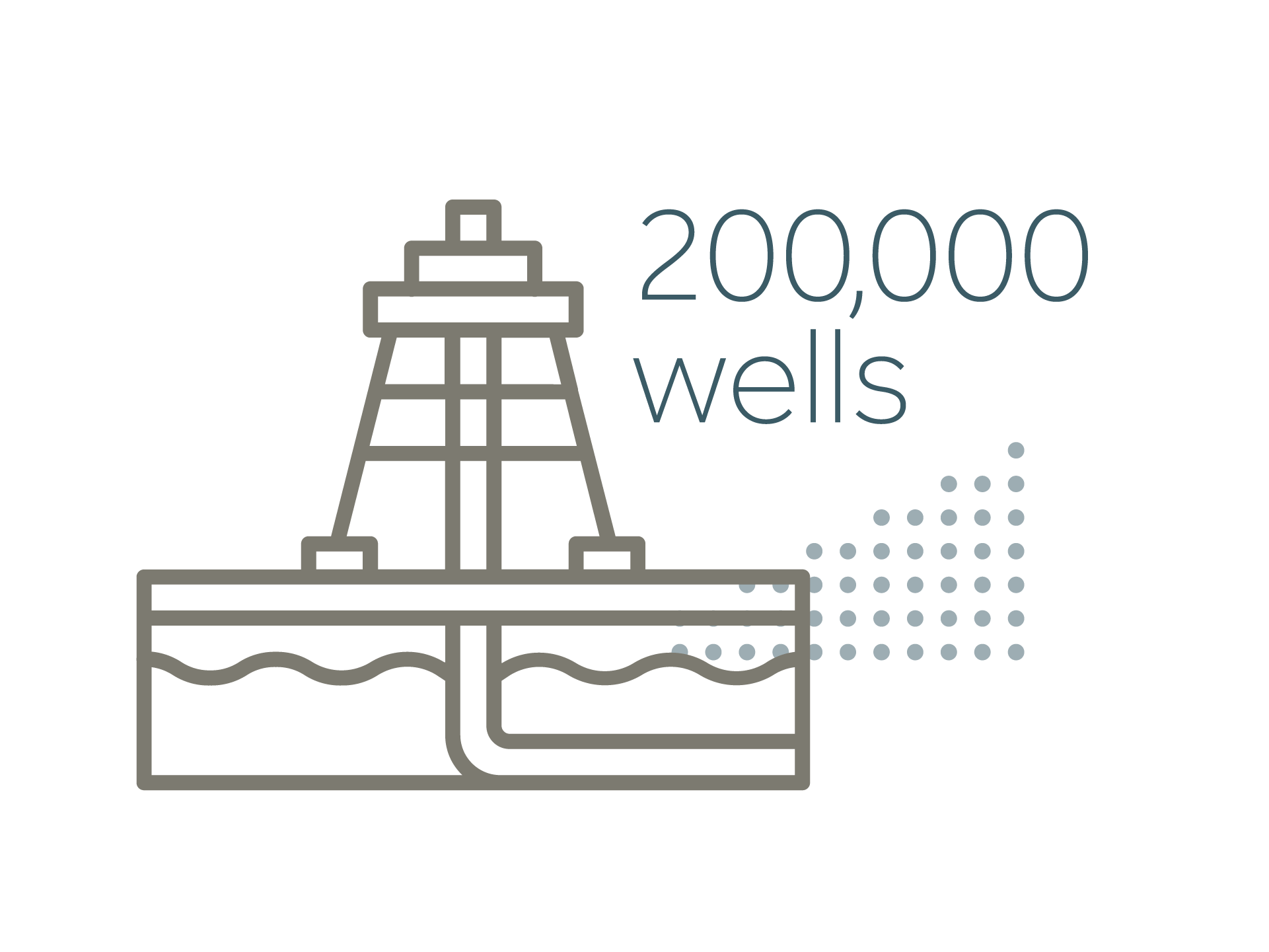
As of 2025, more than 200,000 wells have been hydraulically fractured safely in Canada and millions in the United States. Any natural gas project in Nova Scotia would require rigorous review including industrial approval. An industrial approval can require community consultation and outlines terms and conditions for the project, including ongoing monitoring and reporting.
Significant technological advancements have been made since The Nova Scotia’s Independent Panel on Hydraulic Fracturing report in 2014.
- Today, wells are designed to isolate groundwater from gas zones, by using multiple steel casings and cement barriers.
- Multi-stage hydraulic fracturing along horizontal wells allows more natural gas to be produced from fewer wells, with less surface land disturbance.
- Well analysis in real time is enabled through digital monitoring and automation.
- Better data analytics generate predictive modelling, which improves safety and promotes efficiency.
- A solid barrier, Wellbores have multiple layers of steel casing cemented in place to prevent gas or liquid from migrating into groundwater sources.
- Micro-seismic monitoring happens in real time. Fracture growth is tracked during fracturing operations that can be adjusted or stopped if thresholds are exceeded.
Fracturing fluid is comprised of 98.5% water and sand. A small amount of additives, many found in household products, are added to help the fluid carry sand more easily or reduce friction so it flows. Friction reducers are also used to reduce water requirements. Together, this helps improve how much gas can be recovered after the rock is fractured. Since 2012, all drillers have been required to post all the liquids in frack fluid to an online database which is publicly accessible: fracfocus.ca.
Nova Scotia has enough onshore natural gas to meet our needs for 200-240 years, and yet we currently import all our natural gas from or through the U.S., exposing the province to market volatility, supply chain constraints, and exchange‑rate risk.
These realities point to the need to understand Nova Scotia’s own subsurface resources, to make informed, evidence‑based energy and climate decisions.
One of the outcomes of this program will be updated geological, environmental, and emissions data to inform policy decisions for developing this resource. Nova Scotia’s Onshore Petroleum Atlas (2017) mapped potential resources, but it does not answer the key technical question: Is the gas recoverable?